
Recent Posts

Vacation Rental Email Marketing Plan – 12 Tips


Vacation rentals are a great way to earn extra income, but with so much competition, and so many booking sites, it can be difficult to fill up your rental as much as you would like. Email marketing is key to ensuring that your vacation rental is never empty.

So how do you conduct email marketing successfully for you vacation rental? I’ve collected the following tips to you help you grow your email list and use it to convert those emails into customers.

  • How to Grow Your Email List with WIFI Sign In
  • How to Use Lead Magnets to Grow Your Email List 
  • How to Use Your Email List to Increase Your Vacation Rental Bookings
  • How to Write a Subject Line Subscribers Can’t Pass Up

These tactics are crucial for your business and each comes with its advantages and disadvantages. Understanding the details of each strategy will help you choose the best combination of options, and I’ve curated the information below to you make those decisions.

Use Vacation rental email marketing to attract new guests

How to Grow Your Email List with WIFI Sign In

When you are making a plan to grow your email list with the intention of using it for marketing your vacation rentals, it is important that it does not impact the guests experience in a negative way. 

One of the simpler ways to collect the emails of current guests is to leave a guestbook out at the rental, and encourage guests to sign it, and leave their email in the book before they leave. However, the downside to this is that the conversion rate is low, and some guests have illegible hand writing. 

You could also just ask your guests for their email if you meet them, or over text. But if you have frequent guests this could be a lot of work. The most efficient way to collect the emails of guests who are already staying at your vacation rental is to automate the process. 

One way of doing this is by capturing the guests email when they log on to the WIFI. You may have noticed yourself that some businesses and hotels require your email address before you can log into their WIFI. You can employ the same technique with a service like Flamingo WIFI.

The benefit of this tactic is that is doesn’t interrupt the guests experience and doesn’t seem pushy, in addition, you will get nearly all of your guests’ emails because everyone wants to use WIFI. 

The downside to this technique is that it’s a little sneaky, and some guests might not like receiving a surprise email from you, especially if they don’t remember agreeing to receive emails from you. If you do use this technique, I would suggest giving the guest an option as to whether they want to receive information from you or not. 

The key here is to always be respectful of your guests and be transparent in your tactics. Collecting emails is one thing, keeping your guests happy and converting them into return guests, or having them recommend you to their friends, is a more subtle art. 

How to Use Lead Magnets to Grow Your Email List

This strategy is all about circumventing the OTAs (Online Travel Agencies) that potential guests often book through. In order to do this, it’s important to incentivize those who do visit your site before they move to book on an OTA’s site.

You can do this with lead magnets. A lead magnet is basically a way you add value to a visitor to your site in exchange for their email address. For example, if a guest visits your site, and before they leave you offer them a ‘Free Guide to Cheap Flights’ that can be delivered directly as a pdf to their inbox, that’s a lead magnet. You get an email; they get quality, curated information.

So, what are some examples of lead magnets you can use for a vacation rental?

  • Ultimate guide – You can create an ultimate guide for the area where your vacation rental is located. For example, if you have a rental property in San Diego, create an ultimate guide of all the things there are to do in San Diego, and offer it to a visitor to your site in exchange for their email. 
  • Discounted price – Offer your customer a discounted price on your vacation rental, or some service that you offer (bike rental, nearby business, tour) if they sign up for your email list. 
  • Newsletters – Create a weekly, biweekly, or even monthly newsletter about happenings in the location of your vacation rental so that potential guests can stay up to date and plan accordingly. To sign up for the newsletter, they will give you their email.
  • Extras – Throw in extras like a complementary bottle of wine, movie tickets, gift cards to restaurants, etc.

Just make sure that whatever you choose to do is tasteful. Don’t create an ad that says “HEY! I’ll trade you a free guide for your email!” Be subtle and respectful. Something along the lines of, “Check out our free ultimate guide to (vacation rental location). We want you to have the experience of a lifetime!” Followed up by a field to enter their email address. 

One of the best ways to capture your potential guests email with a lead magnet is to use an exit-intent pop-up. Exit-intent pop ups automatically sense when the user’s cursor is going to the exit button, and then they present a popup with your lead magnet. 

The great thing about this is that it won’t annoy the user because they are already on the way out, so they aren’t interrupted while reading, or annoyed when they first get to your site. 

If you do decide to use a lead magnet make sure that they are convenient for the user, and that they offer some immediately useful, interesting, and relevant information to the user. 

Even if the guest moves on from your site and doesn’t book with you, you can still capture their email at the information and evaluation stage of their query. 

Help guests visualise their perfect vacation!

How to Use Your Email List to Increase Your Vacation Rental Bookings 

Once you have a long list of emails from former and potential guests, what do you do with it? Optimizing your email list is more important than collecting it, if you have 1,000 emails, but none of them convert into a sale, then what was the point?

Send Welcome Emails

Personalization is almost always appreciated. It’s much nicer to receive an email opening, “Hey John” rather than “To Whom it May Concern”. This strategy is especially true when you are sending welcome emails to new subscribers—make them feel like they are already your guest. 

“Welcome emails are incredibly effective: on average, 320% more revenue is attributed to them on a per email basis than other promotional emails.” (From wordstream.com)

You can use these welcome emails to showcase your vacation rental property with professional photographs, or include possible itineraries of activities nearby, or even offers for discounts. 

You should definitely include details about the property, and it would be best if you had some kind of ‘welcome book’ in a pdf that they could download. And don’t forget your contact info!

A Picture Is Worth A Thousand Words

This is particularly important for a vacation rental. People want to be able to imagine their vacation; they are going to be thinking about it at work, they are going to be thinking about when they are stressed.

You need photographs of your vacation rental that will make your subscribers want to show them off as if they were showing pictures of their newborns. It could even lead to more subscribers!

You don’t want a potential guest leaning back in their chair at work, flipping through their mental rolodex, and passing your vacation rental up for a lesser spot that presented itself better.

Having great copy is important, but nothing is like a clear, well shot photograph of your vacation rental taken at the perfect angel in the right lighting. In fact, you should probably keep the text to a minimum and allow the photograph to do most of the talking.

Read more about taking amazing vacation rental pictures here.

Kick Your Potential Customers into Travel Mode

This is where your newsletter comes in handy. Don’t just show a picture of the place, show beautiful shots of the nearby area. After all, most guests are not traveling just to sleep in your vacation rental, first they imagined going to the place where your vacation rental is located. 

Beautiful beaches? Lakes? Mountain? Nightlife? Whatever you believe attracts most of your customers to the area, showcase that with beautiful photographs to help them imagine their vacation. 

If it is beautiful beaches people come for, have a photograph of a relaxing beach. If it’s outdoor activities, show people being active in the mountains. If it’s nightlife, show photographs of streets crowded with people having a good time at night.

Your goal is to nurture their imagination. Even if they aren’t thinking of your specific vacation rental when they are dozing off at work, they will still associate your vacation rental with the beautiful pictures you showed them of the area. 

Keep your guests in travel mode

Entice Them with Deals and Discounts 

Keep your peak season in mind when creating your newsletter and sending emails. You want to try and keep your vacation rental booked even when it isn’t peak season, and the best way to do this is to plan before peak season is over. 

Off-season is also a great time for you to get ahead and book your vacation rental for peak season by offering discounts and irresistible deals for booking far in advance. 

When you are creating an email for discounted peak season bookings, keep in mind that your customers are always on the lookout for a good deal, and they don’t want to let one pass them by. For that reason, add a time limit to the deal.

For example, you could offer your guests a 24% discount if they book within the next 24 hours. Imagine your potential guest turning to their partner and saying, “Check out this awesome deal I just found, but we have to make a decision now!”

People always talk about going on vacation, but they always put it off because it requires a lot of planning and money, so it’s easier just to imagine it and save it ‘for next year’. 

If you offer a deal like this, you may catch them in a spontaneous moment, or better yet, encourage their spontaneity. They’ll think, “I’m finally going to do it”. 

But what about booking for your off-season? 

Do what you do for peak-season but in reverse. Start offering deals during peak-season for off-season. Lower prices, lower minimum nights, be more flexible, offer promotions, and pay attention to holidays that might fall during off-season.

On top of all that, consider what the area has to offer during the off-season. Is it quieter? More relaxed? Are there less tourists? Communicate that in your photographs and in your copy. 

Maybe some of your subscribers want peace and quiet, maybe they don’t want to be one of the other thousands of tourists.

Read more about Pricing your Vacation Rental here.

Optimize for Mobile

Transactional searches happen on mobile more than on a computer. And 50% of all email is opened on mobile devices according to campaignmonitor.com

Make sure that your emails are designed to be aesthetically pleasing for mobile. Not just the copy, but the pictures as well. 

The easiest way to get someone to click out of an email is to have misaligned photographs and text that forces them to pinch and swipe their phone screen, only able to look at fractions of the photograph at a time.

Be sure to check the design on mobile before you send it out. Send yourself one first, check it on your phone, and make sure it is an email you would want to receive.

How to Write a Subject Line Subscribers Can’t Pass Up

The information in the above section concerned using email tactics that fit specifically with vacation rentals. However, understanding what creates a high-converting email more generally will also help you turn subscribers into guests. 

While pictures are vital for your vacation rental strategy, copy is still important. Let’s go over some general guidelines of what makes a great email subject line that will engage and help convert your subscribers. 

My email inbox has literally thousands of unread emails from companies that I forgot to unsubscribe from. I click on pretty much none of them. 

Most people don’t. 

The only way for you to get people to actually read your great email and check out the pictures is to write an excellent subject line. The subject line is the headline of emails. 

“On the average, five times as many people read the headline as read the body copy. When you have written your headline, you have spent eighty cents out of your dollar.”

From the “father of advertising” David Ogilvy

According optinmonster.com 33% of email recipients open emails due to intriguing subject lines, while 69% throw emails in the spam folder without ever opening them. 

Here’s how to be part of that 33%.

Emojis

Some people hate using them, and most people use them way too much. However, it seems that emojis have a positive correlation when it comes to people opening your email. 

For one, it helps your email stand out from the rest, which are usually just text. In addition, it helps clarify your subject line with emotion. 

Don’t believe me? Many companies have already jumped on board.

“The marketing automation company analyzed 9,400 mobile marketing campaigns, suggesting that emoji use grew 1,071% on Android and 662% on iOS within the past year [2015].” 

From mediapost.com.

Ok, people use emojis, but do they work? 

“Companies who use emojis in their email subject lines have a higher open rate of as much as 56% over companies who don’t.”

From optinmonster.com.

Of course, throwing 10 heart emojis after your subject line about your vacation rental doesn’t mean an automatic uptick in conversions. Also, emojis don’t have to be faces. 

As a vacation rental you can use a plane emoji so that your email automatically stands out as a travel email, or throw a horse emoji in if there is horse-riding available in the area. 

Kayaking, snorkeling, climbing, beach umbrellas, food, there are emojis for nearly any activity that you are likely to be using for advertising your vacation rental. 

You Should be Here! FOMO

Life is Happening Without You!

This is what may refer to as “fear of missing out” or FOMO. The feeling that everyone is having fun without you. You will be excluded from reminiscing about the great party over the weekend because you were home alone knitting a sweater for your kitten. 

This is an especially effective tactic for vacation rentals. 

We talked a bit about using ‘last chance’ tactics earlier, giving subscribers deals that were offered at a limited time. You can use this same strategy in your subject line.

For example, “Last chance to get 30%! Beautiful Beaches Await! Don’t miss out!”

Read more about psychological triggers here.

Curiosity

People love novelty. If you can use your subject line to ask a question, or intrigue people with something out of the ordinary or surprising, you can reel them in.

For example, if your vacation rental property is in San Diego, your subject line could read something like, “5 Things You Definitely Didn’t Know About San Diego”, or “San Diego Secretes Even Locals Don’t Know About”, or a question, “Have you Heard About San Diego’s Gidden Gem?”

If you have the persons email, that means they are already interested in traveling to the area, and using the promise of interesting information about that place is an effective hook.

All of these ideas should be used creatively for your particular vacation rental, and the area it is in. Get to know what kind of people your guests are and create emails that they would want to read.  

Want to know more ways to maximize your vacation rental income? Have a look here.

Are Vacation Rentals Profitable? 9 Factors To Consider


Have you ever lived near a vacation rental? Maybe an Airbnb? Maybe it just seems vacant a lot. We live next to a place like that, and it got me wondering if vacation rentals are profitable or not. The owner of the place next door says it is. Is his place the norm? I decided to research it for myself and see if I want to invest or not.

Are Vacation Rentals Profitable?  They can be profitable. The primary factors involved are location, location, location. Since profitability is based primarily on occupancy level, competition, demand, and rate, the more attractive the location, the higher probability the VR will be profitable.

As a long-time user of short-term rentals for vacations, business trips, and little getaways, when looking at a trip, I don’t even look at hotels anymore. Just go straight to the short-term rental sites. You will almost always save money and get a better return on my travel dollar. Since I’m an avid user, I’ve spoken with many owners, and they all tell me they make money with their vacation rental.

Are vacation rentals profitable?

What is a “Vacation Rental?”

A vacation rental is temporary lodging that comes fully furnished, be it an apartment, condo, house, or another form of dwelling that serves as an alternative to a hotel. Basically, rather than rent a hotel room, you can rent a room in a private home, an entire condo, a guesthouse, an entire house… people even rent out yurts and treehouses.

You may be asking yourself what the attraction is. There are a lot of reasons one might prefer a vacation rental over a traditional hotel.

1. Privacy. Regardless of how nice your hotel is, you must access it through the lobby or a common area. 

Imagine this. I’m a scuba diver. After diving, I look terrible. Hair is sticking up all over. I’m wind-burned, sun-burned and water-logged. I love it! What I’m not is in the mood to deal with a bunch of strangers giving me the judgmental eye for the sand I’m dragging in with me.  

With my vacation rental, that problem is totally negated.

2. Space. Excluding the rental of a private room, and maybe the treehouse, private rentals tend to be much larger and more spacious than a hotel room. I’m assuming you aren’t renting the penthouse.

Even a 1-bedroom condo tends to be larger than the average hotel accommodations.

Additionally, unless you have rented a studio, your vacation rental will generally have actual rooms. You know, distinct bedroom (with a door), kitchen, dining and so forth. 

Since most users rent an entire condo or entire home, you could be staying in a 2500-square foot home for a nightly rate comparable to a 500-square foot room. 

3. Quiet. If you’ve ever spent the night listening to the guests in the adjacent room having a party or a knock-down drag-out fight, you know what I’m talking about.

No one enjoys spending their vacation time listening to the guests around them (or over them). With an entire home vacation rental, that problem is generally lessened.

Sure, the neighbors may have an argument, but you generally don’t have to share a common wall and listen in.  

4. Dining. When staying in a hotel, unless you’re renting a kitchenette, your meals are generally being obtained in a restaurant of some form. That costs money.  

If you’re at an all-inclusive resort, the money issue is removed, but your dining options are limited to their choices and their time schedule. Have an early tour? Breakfast doesn’t open until 7 a.m.  You’re out of luck.

With a vacation rental, there is an entire, full-sized kitchen at your disposal. You simply buy what you want and eat when you’re hungry. Dishes, glasses, coffeemaker, all right there and at your disposal.  Most even offer grills for BBQ and patio or courtyard tables and chairs to enjoy the weather wherever you are.

5. Size. Not to be confused with space. I’m talking about the overall size of the potential property. Say your family and 2 other families are going to the beach together for a week. You can choose to go in together on a super-sized beach-side property. 

Great views, excellent access, individual rooms and cost is shared 3-ways. Even if you all got a room in the same hotel, chances are you would not have the same level of access and would collectively pay more.

Location, location, location: The secret to Vacation rental Profitability!

What is the Profit Potential for a Vacation Rental?

According to the Vacation Rental Management Association (VRMA.org) in 2010 only 1 in 10 travelers had used a peer-to-peer vacation rental accommodation.  By 2015, that number was 1 in 4.

In 2020, the vacation rental market was anticipated to have 448.7 million users and it generated $83,984,000m in 2019. The Covid-19 situation in 2020 obviously caused a significant market fall-off, however Statistica.com anticipates an annual growth rate of 21.3% over the next 3 years. That is huge!

So, we have established there is definitely an area of demand for the vacation rental concept. Are you excited about the possibilities yet?

The next thing to consider is what is the profit potential. After all, if you’re even going to consider such a step, you need to know that there is a potential payoff, right?

According to InvitedHome.com, there are at different factors that must be considered in determining how much a vacation rental can bring in.

Destination/Seasonality

Clearly if your vacation home or rental is in a prime destination location, it will do better. I don’t think anyone would argue that a vacation rental near the ocean or in the mountains is probably going to make more than one in the Midwest.

There’s nothing wrong with the Midwest, there are just a lot more people that want to spend their 2-week vacation near the beach or with a mountain view.

Locations near destinations or seasonally attractive areas will do better. Think near ski resorts (seasonality), lakes, oceans/seas, National or State parks, mountains (camping lodges and cabins come to mind). 

Let’s look at ski resorts. InvitedHome.com noted that their owners in Lake Tahoe, for example, will earn a large part of their annual revenue, up to $100,000 in just the few months encompassing winter.  Clearly, Lake Tahoe’s vacation rental market is seasonally driven. 

In a region less seasonally driven, but with a high level of competition, turnaround time will become key. InvitedHome.com reports that their Florida homes can make up to $125,000 per year

Another focus in this area are locations that are business-heavy, but hotel accommodation light. Places like New York, Los Angeles, and Washington, D.C. come to mind. 

With this type of destination, you’re looking at the business traveler, rather than the vacationer. Consequently, you would adjust your amenities accordingly.

Events

Another key determination of the income potential is the number of events hosted near the property, particularly in the off-season.

An example…Sedona, AZ. You may have heard of it. It has a very high, year-around vacation rental demand. However, it hosts major events roughly 4 times per year. Those quarterly events are absolute gold mines!

Vacation rentals during that time skyrocket in terms of not only occupancy, but also daily rate. Taking advantage of local events and adjusting your rates accordingly (more on correctly pricing your vacation rental here) can significantly increase your properties overall profits.

Regulatory Considerations

Recently some towns have begun regulating the vacation rental market significantly.

Santa Barbara now designates vacation rentals as “hotels” and requires they meet the same property land use approvals and permits. Clearly this is a profit-busting arrangement. The alternative is forcing vacation rental owners to require 30-day minimum stays to avoid the hotel designation. Without doubt, this reduces their occupancy levels.

Another example is town of South Lake Tahoe, which is enacting and enforcing stricter parking and noise ordinances, with heavy fines for violators. Violations can cost thousands of dollars and 3 violations in a 24-month period can cost you your vacation rental license.

The moral of the story is be sure to check out all regulations and ordinances that may affect your vacation rental before making the commitment.

Taxes

Yup, I had to go there. Taxes are wide-spread and unavoidable. That said, the IRS tax code does have a nice little break built in. It basically says if you rent your property for 14 days or less AND use it personally for 14 days or more per year, you don’t have to pay federal taxes on your rental income.

I am not a tax expert. You probably aren’t either. My recommendation is to have an accountant discuss the tax ramifications with you prior to either (a) offering your existing vacation home as a vacation rental or (b) purchasing an investment property (link: how to evaluate a vacation rental) to use as a vacation rental.

Competition

Another huge factor in the potential profitability of your vacation rental is the amount of market competition it faces. 

As with any good, if demand is high and supply is low, you can charge more.  The more you can charge, the higher your potential profitability. This is Economics 101.

What is the competition in your area? Not just the total number of properties VRBO or AirBNB have, but properties like yours

If most of the properties are 1-bedroom condos and yours is a 3-bedroom home, that is not direct competition. Each of those has a different and unique niche and will seldom compete for the same visitor dollar.

By knowing your competition, you will also be able to determine what nightly rate you can anticipate. If your competition is charging $179 per night, you probably don’t want to ask $250 or even $120. 

Amenities

Just like a traditional hotel, the amenities your vacation rental offers will have an impact on both your average nightly rate as well as your overall occupancy levels.

If I can stay in a property that offers a hot tub for the same price as one without, which do you think I’ll select?

Or, if I’m going to an ocean community for vacation, am I more likely to consider a place that offers beach towels, bicycles and kayaks for my use or one that does not?

The property itself is simply walls and roof. The amenities are what make it special. This is the area you can truly make yours unique and stand out from the crowd. The right amenities in the right location can increase your nightly rate and still maintain an acceptable occupancy level.  This combination will maximize profits.

Location

By location, I do not mean destination. We have already discussed that. 

Hypothetically speaking, you own a vacation home in Aspen, CO.  This is unquestionably a destination and a seasonality rental.

Now, is it near the ski lift or is it downtown?  The location of your property, within Aspen or wherever, will also play a factor in determining your profitability.

Probably goes without saying, but people will pay more to be closer to things they want to see or experience.

Wear and Tear

Another factor in your profitability is the wear and tear your vacation rental will face. This is one of the downsides to using your existing vacation home as a rental.

When you use an investment property, you generally lack the emotional investment that you may have with your second home. 

In either even, there will be occasional damage, broken or stolen items, complaints and general wear and tear.  You will have to pay for those items. That will affect your bottom line and overall profitability. Expect it.

Personal Use

How often will you personally use the property?  Whenever you’re using it, no one is paying for it. If you choose to use your vacation rental on the beach for the month of June, you will make less money. 

That said, one of the truly wonderful things about a owning a vacation rental is the concept of having other people help defray the costs of the property when you aren’t using it.

If you’re looking to maximize profitability, you simply stay elsewhere.

Maximise your Profit: See it as a Vacation Rental Business

Top 10 Best Locations for Vacation Rentals

We have established that location is paramount in determining the profitability of your vacation rental (to increase your income, have a look here). I think it’s only appropriate we look at the top 5 vacation rental locations of 2019, according to Rented.com.  

Their criteria were (1) purchase price; (2) local vacation rental rates; (3) insurance, taxes and maintenance costs; and (4) overall popularity of the tourist destination. Locations were rated on  0 to 100 scale, with 100 being perfect.

1. Pigeon Forge, TN.  Scored 98.4/100. Estimated rental income annually of $43,500.

2. Gatlinburg, TN. Scored 93.9/100. Estimated rental income annually of $45,000.

3. Panama City Beach, FL. Scored 90.5/100. Estimated rental income annually of $20,000.

4. Killington, VT. Scored 87.6/100. Estimated rental income annually of $39,000.

5. Palm Coast, FL. Scored 86.9/100. Estimated rental income annually of $33,000.

6. Myrtle Beach, SC. Scored 85.8/100. Estimated rental income annually of $46,000.

7. St. George, UT. Scored 85.4/100. Estimated rental income annually of $69,500.

8. Sevierville, TN. Scored 84.3/100. Estimated rental income annually of $34,000.

9. San Antonio, TX. Scored 82.3/100. Estimated rental income annually of $24,000.

10. Seaside, OR. Scored 80.6/100. Estimated rental income annually of $53,000.

Final Thoughts

Whether you already own a vacation home and are considering offsetting some costs with vacation renting or if you’re considering purchasing an investment property (or 2), vacation rentals can, in fact, be a profitable undertaking.

In order to maximize your profits, this should be a long-term investment, however.  The passive income is not the only consideration.

You also have the appreciation of the property itself. It used to be said real estate never loses value. We all know that is not the case. However, real estate does hold its value much better than almost any other investment you could consider.

If you are more of a hands-on type of person, you can manage the entire vacation rental yourself, saving property management costs and increasing your profits.  If that isn’t your style, hire a property management company to take the burden off your shoulders. You’ll make less money, but you’ll also have less stress to contend with.

Absolutely list your property on 1 or more of the vacation rental platforms available. AirBNB, VRBO, and HomeAway are just a few of the more popular platforms to choose from.

These platforms do take a commission of your sales.  They also market your property to potentially millions of possible customers.  In 2019, AirBNB had 33.9 million users in the United States. That’s a lot of marketing you don’t have to do. But first check out if you really need these websites here.

Do your due diligence, not only with a marketing platform, but with the property itself, the regulations and ordinances of your location. Speak with an accountant regarding tax concerns and with an attorney for ways to reduce your liability risk.

Be smart. All investments have risk. It is up to you to reduce the risk of your investment to an acceptable level.  That starts by doing your research and asking the experts.

How Can I Advertise My Vacation Rental Without Paying Commissions?


So, now that you hosted your rental business online, its time for the real challenge of marketing. If your guests are unable to search your place, how will they reserve it? Getting your word out of your vacation rental business isn't an easy job, especially with the enormous volume of hosts competing for customer attention.

Marketing is essential for any business and requires dedication, time, and, most significantly, a sizeable amount of money. The popular listing websites such as Airbnb, Homeaway, VRBO, etc. are great, but they charge a hefty commission on both hosts and guests. (Are they even worth it?) Besides the 3% service fee you are bound to pay, Airbnb levies up to 20% service fee plus the reservation fee on guests. If the guests can find your rental outside Airbnb, they will undoubtedly prefer reserving it directly than paying Airbnb's exorbitant fee for just using their online catalog. Also, you save on the substantial commission they charge you for reaching a potential audience.

Fortunately, you can market your rental without paying commissions and still attract new guests and make substantial profits. While almost every rental around you is paying a lot for advertising on websites like Airbnb, you can advertise yours without spending a penny on commission. By just using your resources to its full extent and being creative, you will be surprised by how far you can go. Today, I have come up with some top tips for the advertiser in you: ´How can you advertise your vacation rental without paying commissions?´ Lets dive into them:

Impressive villa, but how can you market your vacation rental without paying commissions?

1) Be Social Media Savvy 

With two-thirds of the world's population using it daily, Social media is the first and foremost place for you to start. Various Social Media platforms have exploded in the past decade and have become a gift of self-promotion and, more importantly, a necessity for your rental. Facebook, Instagram, Pinterest, and even twitter has become the ideal way to appeal to guests without paying a penny.

Facebook 

With a rated 3.1 billion active users, Facebook is the reigning king for gaining attention and advertising your rental. Facebook is a powerful social media platform that facilitates you to create a loyal customer base and enhance your credibility. All you have to do is create a Facebook page with an option to book your rental. Post stunning images and a stimulating tour of your property with your evolving follower base. Show your exact location, contact information, and keep them updated with any special events going on in the town. It also allows you to respond to the queries of future guests and build confidence. Check out how to set up a Free Facebook page for your vacation rental here.

You can also join Facebook groups where you can share your listing. Ask your guests to leave reviews on such groups and your page for future guests to read. Marketing on Facebook could take some time, but you will achieve exceptional visibility and exposure with unprecedented traffic to your rental page.

Instagram 

Instagram is certainly the most admired social media platform used purely for sharing videos and photos, and that's precisely what you need to do. One essential tip- Don't sell your rental but sell the experience, because that's what differentiates you from the crowd. Using high-quality images with a sweet short description is the key. Follow local bloggers, recognized owners in the same sector, and have a closer look at your competitors. Post success stories and seasonal photos so that they can picture the experience you are trying to sell.  Check out how to set up an Instagram page for your Vacation rental here.

Part of being socially savvy is incomplete without utilizing the exposure Instagram Hashtags can provide you. Learn how to use Hashtags (see the best hashtags for vacation rental here) and create a few unique ones that include your location (#MaldivesExoticJewel is way better than using #BeachHome). Additionally, try to use hashtags that are likely to be searched for more for a particular topic or location. Using GeoTagging is another excellent source that allows your photos to be searchable by location.

Youtube 

The popularity of Youtube has multiplied, especially since the pandemic COVID19 hit the news. Many people are now inclined to spend at least a few hours on Youtube. You could leverage this opportunity by sharing quick amusing tours of your property and some useful information that they can't find anywhere else.

2) Build your Local SEO 

The most effective way to be visible and reach a larger audience is through SEO. It doesn't matter how incredible your website is or how stunning your rental is if you are not visible. SEO is what it takes to become noticeable when someone searches for lodging near you. I know the word “SEO” seems intimidating, but don't be scared of it.

When someone talks about SEO, it is not always about promoting your website. Websites like Google My Business, BingLocal, Yellow Pages, Craiglist, Yahoo Local allows your rental to pop up when someone looks for apartments in your area. 

We have all used Google for local searches. You would have noticed the well-structured listing with contact information, Google Maps direction, and hours when you search for a local service on Google. All this is because of GMB and Local SEO. Over 94% of consumers looked for local rentals in 2018, and 89% of them read and believe in online reviews.

Google My business is free to set up and makes a significant difference to your local SEO. If your rental is not listed in GMB, you are missing out on a lot of potential guests. According to Oxera, vacation rental with listing on GMB, Bing Local, etc. are considered twice as reputable by consumers as they look professional, relevant to the search, and accessible. If you have more than five positive reviews, the probability of someone booking your property multiplies by about four times. (Speigel Research Center)

great view
Master SEO and don´t pay comissions!

3) Register with the Local Tourism Centers

As the competition is immense, you need to act differently and be creative to convert those visitors into your guests. People visiting a certain city will always research the attractions, area, things to do, and accommodation beforehand. And while doing so, they are likely to check the popular local tourism page in the searched destination.

By contacting and registering with a popular tourism page in your city, you are exposed to a massive audience by a free link on a popular tourism website. Most local tourism owners won't charge you for it, but there might be some who would ask for a small monthly subscription fee. 

4) List on other Free Websites 

Using the right SEO strategies will boost your online presence, but it would take months before you could see your listing appear on top of the Google Search result. 

Many homeowners tend to list on popular vacation rental sites to complement their marketing activities. It's not all about big guns like Airbnb, HomeAway, Expedia, and VRBO. Several sites let you draw more visitors without any listing fee or commission. Below are the best vacation rental websites where you could advertise your property free of cost.

  • VRFO

Although they don't have a stunning looking website, they are one of the most effective vacation rental sites out there. VRFO hosts hundreds of vacation rental in more than 50 countries, and they are entirely free for both visitors and owners. And there's no catch.

  • Housetrip

HouseTrip by TripAdvisor is one of the leading websites that hosts hundreds of thousands of rentals from all across the globe. They have a unique business model where the hosts don't have to pay any commission. You define the price of your rental (more on that here) per night, and you get the same amount credited to your account. It's the guest who has to bear the commission of 10% to 20% on top of it.

5) Advertising with TripAdvisor 

If you have a vacation rental business, you can't afford to drop TripAdvisor off the list. TripAdvisor is the first place customers look at while searching for attractions, lodging, and restaurants. You can choose to answer queries related to accommodation or attractions in your area, create a credible image of your rental, and get bookings and maximize your vacation rental income.

Also, TripAdvisor hosts a network of various rental sites, including HolidayLettings, FlipKey, HouseTrip, and Niumba, which not only saves you money, time and energy but also provides you an ultimate exposure to over 500 million holidaymakers on the world's largest travel website. The listing is free, but they charge 3% on every booking. Still way cheaper than other most popular alternatives.

6) Yelp for building credibility

Yelp is often considered as a mere customer service website but, trust me, it is way more than that, You don't need to wait for people to post reviews or ask questions, you could create a Yelp profile, and it will help your potential guests find you. Adding stunning photos (tips on that here) to your listing will boost your customers' attention by 2.5 times. Yelp also boosts your vacation rental SEO and makes you more visible during searches. However, you should ensure that you acknowledge every review and comment and answer all enquires regularly.

Never forget to request reviews about their experience from past guests. Shoot them an email and make sure they post it everywhere they can – Facebook, Google, TripAdvisor, Yelp, etc.

How To Evaluate A Vacation Rental Property – 7 Insider Tips!


Looking to invest in a rental property? Property rentals can be a good source of income especially if you want an income stream that does not require constant supervision. Yes, vacation rentals can be a passive source of income! Investments in vacation real estate rental come with distinct advantages given the current state of the global market, because more and more people are having the disposable income to go on vacations. 

However, being a real estate rental owner means that you need to have a good sense of local markets as well as a good idea of projected revenues, based on various factors like location, seasonal fluctuations in tourist volume, and even the size of your unit. For example, if your rental property is not located dead center in a tourist hub, the property can go a few weeks without any booking. If you are on the market for potential vacation rental revenues, you need to know which properties are ideal investments and which are potential real estate lemons that you need to avoid. 

So the Question is: How to Evaluate A Vacation rental Property?

That is the question I have been answering over the last 15 years in buying and investing in (and renting out of) vacation rentals. Let me share with you what I have found:

Location 

Location is the most important consideration because other factors rest on how good or bad your location is. If you want a vacation rental to have a high occupancy rate, you might want to look at city centers, business districts, or areas in and around tourist hubs. Bear in mind that these areas are also very expensive areas for real estate and may come with various regulations and restrictions that apply to vacation real estate rentals. All these can affect your bottom line.

Experts recommend being as specific with your location goals as possible. It is also crucial to have minimum requirements like accessibility and a more or less desirable neighborhood that is relatively safe for residents and visitors alike.

With these basic requirements, you can easily create a list of potential locations with the right mix of accessibility, stable market conditions and employment rates, peace and security, and availability of essential utilities.

With these factors you are more likely to land a real estate rental property that can generate enough demand to give you a sensible amount of regular passive income. 

How to make your vacation rental home better for guests
Location, Location, Location! How to evaluate a vacation rental property.

Market Analysis 

Experts recommend doing a deeper market analysis once you have narrowed your location choices to one or two options. This means looking at the potential of the rental property from a marketing standpoint if it is located in an area where there is good rental demand. Typically, areas that see ample tourist volume during the year are ideal for rental properties that offer good ROI especially in areas where rental demands are consistent throughout the year. Good examples are tourist towns that offer significant attractions for guests both in summer and winter. 

Market analysis also involves looking at the type of property in the area that is most likely to give you the returns you want. Do a comparison of properties in the area to see how different assets perform in the local market. Look at free-listing sites like AirBnB for initial data. This is also a good starting point for looking at rental benchmarks which you will need when you formulate income expectations for your property later on. 

vacation Rental Pricing: Do your research, watch the video for more

Vacation Rentals vs. Traditional Rentals 

It is important to understand that vacation rentals perform differently than traditional rental properties. For one, vacation rental incomes tend to be seasonal. If you choose a property in an area known for summer attractions you can expect the majority of your bookings and income to come during the warmer months, and less during cooler or winter months.

If you opt for a rental in a place that is known for winter attractions, the opposite is true. This is the reason why experts recommend opting to invest in areas where there are attractions catering to winter and summer populations so you can expect regular bookings for most of the year. 

Understanding the unique characteristics of vacation rentals is the most important step for any investor because you need to know what to expect during the different seasons of the year. You have to know when the lean months are so you can adjust your expenses accordingly. Knowing when the peak months are is important because you want to make sure that arrangements, such as regular cleaning and maintenance, are ready and in place for each new guest that comes along. 

There are also other expenses tied to vacation rentals that you won't find in traditional rental properties. For example, you may face higher homeowners' insurance rates. You may be required to put down at least 25% of downpayment with a higher interest rate than traditional rentals. Knowing what these differences are can help you prepare and avoid nasty surprises down the road.

Finding the Rental Sweet Spot 

The factors mentioned above can help you arrive at the most ideal rental rate for your property. Rental income is usually contingent on the geographical location, and you can expect to charge rental rates 10-20 percent higher than your monthly mortgage payments. If your property is located in a high-traffic area you can even charge more than that.

Finding that sweet spot is crucial since you want to charge the maximum amount of rent that will not scare prospective tenants away. Also factor in your potential income during the slow months. While you can expect strong demands in the peak seasons, demand may be lower in the slower months. Factor in at least a 25% vacancy rate to account for those times in the year when you can expect your rental to sit empty. 

Luxury villa Lloret de Mar
Looks good, but is it a good or bad investment for a vacation rental property? Evaluate it first! (Villa Leyla)

Expected Expenses vs. Expected Income 

Once you have determined whether or not your prospective rental property is situated in an area where consistent cash flow is possible, it's time to look at your expected net income when you factor in all your expected expenses, as well as your gross rental yield. 

Aside from the expenses for utilities, cleaning, maintenance, and repairs you also need to include other fees like homeowners' insurance, flood insurance, property management fees, among others. While it is possible for you to perform property maintenance yourself, it is recommended to work with a professional maintenance company especially if you live a good distance from your rental property or you don't have that much free time to devote to regular upkeep.

Working with a professional management company allows you to offer consistent rental service to guests and this consistency can pay off in the long run in terms of repeat bookings and positive guest feedback. 

The gross rental yield is also another number to consider. This the annual rent you can expect to receive divided by the total property cost, and then multiplying this number by 100. The property cost should include the purchase price, closing expenses, and renovation costs. 

Yes, renovation costs can be substantial depending on the current condition fo the property and your willingness to upgrade the space. There are vacation rental investors who try to cut costs by flipping properties before renting them out. While this can be a good strategy especially if you have the capital for a renovation, it is important to balance renovation expenses with your expected income

Mortgage Costs 

Your mortgage payments depend on a number of factors. For one, lenders can offer a debt to income ratio of 36 percent for an owner-occupied property. This figure can be higher depending on your credit score and other factors. Big lenders can often go as high as 45 percent debt to income ratio for an investment property. 

What makes a vacation rental property the ideal investment?

A good rental property is one that allows you to meet your mortgage principal, interest, and other essential maintenance expenses with your monthly rent. This is the ideal scenario, with the addition of cash reserves to tide you over during slow weeks or months or to cover unexpected repair or maintenance costs. Make sure that you have a safety net to avoid negative cash flow, which often happens when you borrow too much to buy the property and the income is less than your expenses. 

Hashtags to boost vacation villa profit
Time to advertise your vacation rental!

Advertising Costs 

Once you zero in on a property and all arrangements have been made to make it ready for rental, the final step is to list it on the market. Luckily, there are a number of platforms that allow rental owners to list their properties for free (like Facebook and other Social media or for a nominal fee. These fees (to pay no fees, click here) may factor into your all overall expenses but they can help make sure that your potential renters are well-screened and transactions are secure and protected. Sites like AirBnB offer low listing fees among a host of useful features in a mobile interface that is easy to use even for those who are renting out properties for the first time. 

A vacation rental property is a good way to create a passive income stream. However, like other types of investments, you will need to have sufficient capitalization to cover purchasing and operating costs. It is crucial that you know what to look for when choosing a vacation rental real estate as an investment property. This is the only way to make sure that you can make sound decisions about whether a property is a valuable investment that can give you the returns you are looking for. 

How To Ask Airbnb Guest For A Review


Airbnb reviews are an integral part that reflects how Airbnb works. They play an important role in deciding upcoming booking chances for both guests and hosts. The standard review rate as per Airbnb is around 78%. But, community forums insist that the variance lies between 33 and 85 percent for any type of individual property.

In asking an Airbnb guests for a review some tact is involved. So, how can you do it? Continue reading the post to find out more about ´How to ask an airbnb guest for a review´.

Should you ask your Airbnb guests for reviews?

Airbnb provides a time period of about 14 days for both guests and hosts to furnish a review. Therefore, time is regarded as the lifeline when it is about getting a review from your dear guests. So, will you ask them for reviews? The answer to this question is yes. 

You should always ask your Airbnb guests for reviews. Even Airbnb puts stress on their hosts by requesting them to follow their content policy when it is about asking for reviews. You need to understand that the content policy emphasizes that hosts can ask their guests to give a rating. This way, the review reflects a positive experience.

You may find that there are many hosts who never ask for reviews. Yet, they manage to attain a good and healthy review rate. When you are communicating well and providing a quality stay, there is no good reason you won't get a good and nice review. 

Many guest aren't familiar with the importance of reviews, or they get busy with something and forget later. A gentle reminder for an honest review can bring back the happy memories of your guest's stay in the property. You can even make them feel better by letting them know about the importance of their reviews.

Reviews are extremely important!

How to ask Airbnb guests for a review?

Being an owner and manager, you should try to have your guests give honest reviews. Also, you can try to have those reviews in a thorough and well-written way. So, how can you do that? One of the best ways to receive appreciation is to meet and fulfill your guests' expectations. Here are some ways through which you can nudge your guests to give a good review.

In a tender manner, prepare your guests when they check-in

This is the best time to ask for a review. During the check-in, some procedures have to be taken care of. And, when everything is going to get closed in a while, this is when you need to start your pitch. Start your goodbyes by saying something nice, such as “Enjoy your stay, don't hesitate to contact me if you have any question”.

Try to give your guests something to talk about. Stun your guests with valuable services during their stay, and you will see the positive reviews in no time. This is probably the easiest and popular way to gain the trust of consumers. Even though it is not easy these days, try to ´WOW´ your guests.

Remind your guests for a review while they are staying 

This is another great way to remind your guests about the review. But, it's a bit tricky situation. You should only try that if there is good communication between you and your guests. Such an instance could happen during their stay if they encounter something good or bad.

Address and resolve the matter for which you were being communicated for as early as you can. And, then you get a chance to remind them again about giving the reviews after their stay is over. Begin your dialogue with something like, “Sorry again for the inconvenience caused”. Get on with your guest in a comfortable conversation and when the moment is right, just remind them.

Guests are likely to leave good reviews for you during their stay. The first thing you can do is to make the place a Wi-Fi zone. If you provide free Wi-Fi, you can make it quite easy for your guests to post a nice review. You may find it unethical to provide free service in exchange for reviews.

Keep in mind that while mentioning about the free Wi-Fi service, make it a casual conversation. You can tell your guest that the service is made free so that they can post a review if they want to do so. 

Request for a review as being a part of the normal check-out process

Check-out can provide you with two different opportunities to humbly ask for an Airbnb review. One, the day before the check-out, and another one is on the day of check-out. In general, it has been found out that the most effective way to request for a review is during check-out.

Don't just jump into the matter, rather have some decent conversation with your guests. Praise them by saying that they have made a good decision by choosing your home for a vacation stay. Make the conversation interesting by allowing your guest to speak their mind whether there could be alterations so as to make a better stay. 

This way, your guest would feel more privileged. They would give you review quite easily with the least efforts. Finally, bid them goodbye. Make them believe that the next time they would even have a greater experience. 

4. Keep in touch with your guests soon after they leave

Soon after your guests have left your place and have checked out, don't forget to send them an email or text messages. This email or text should thank your guest for renting your place. Also, include a formal request for their honest feedback during their stay and encourage them for a review.

For their convenience in giving the reviews, send them the relevant links of websites or pages of your website that contains different testimonials of other guests as well. This will help them to give sincere reviews. Don't forget to communicate as early as possible after your guests have left while their stay is still fresh in their minds.

According to research, a majority of the reviews come from request emails. When you request reviews through emails, it means there is a fair transaction that really happened. It lends valuable authenticity to your Airbnb review. 

5. Tell your guests how their reviews will help you

Make every effort to give some credit to your guests. They are just normal people. And, if they have enjoyed their stay and satisfied with every service of yours, there is no harm in approaching them and ask for their Airbnb review in a gentle and frank way.

Have a casual talk with your guest and don't make it look like you are selling it. A simple line like, “we'd hugely appreciate it if you leave a review” would suffice. Such an action would make them feel proud. They will be happy about the whole episode and remain grateful to you. 

They will somehow feel that you have put great faith in them and by asking them for good and honest reviews. In addition, explain to them in a descriptive manner that the reviews are not for you but for the future guests who would be reading those reviews.

In what way reviews work on Airbnb?

All the reviews you come across Airbnb are written both by hosts and the guests who have successfully completed their stay with the help of Airbnb. Apart from giving a written review, the guests are duly asked to give star ratings, too. These are the two ways of providing reviews on this platform.

In general, you can have 14 days to write for reviews after check out from a certain stay. To encourage honest and impartial comments, the reviews are only posted after both the parties have finished their review. Or, the 14-day period for submitting review has ended.

Why reviews are considered an integral part of Airbnb listings?

  • Trust – If you are using Airbnb, reviews are very important to build the trust factor. Hosts depend on the guest reviews for avoiding bad guests, and vice versa. With no reviews around, both hosts and guests would be rolling dice on a given stay.
  • Rankings – If you want to rank on Airbnb, both the quality and number of the reviews that you receive are the two most important factors.
  • Superhost status – To retain or earn Superhost status, a host should have 4.8 ratings based on the reviews of the last 365 days they have received.

Conclusion:

At last, it is not about how many times you made a request for an Airbnb review. But, how smoothly you have to do it and make use of the right tone when you are conveying an important message to your guest. Remember that if you have failed to give them the right experience, you won't get positive reviews.

Related questions:

How to list your vacation rental on Airbnb

How to delete your Airbnb listing

What to do when guests thrash your Airbnb

Can you ask an Airbnb guest to leave?

Can You Ask An Airbnb Guest To Leave? These Are Your Rights


Airbnb has continued to be a great success story, as over the years, it has managed to build a global online community of guests and hosts that is loyal. 

As a host, when you agree to use the Airbnb service, you understand there are specific guidelines and requirements for you to follow. For instance, you have to provide your guests with a living environment that is comfortable, safe, and clean.

Likewise, when the potential guests of your property sign up for the Airbnb service, they also have to agree to follow specific rules of behavior.

The business model the property rental online marketplace uses heavily depends on the willingness of guests and hosts to abide by rules. Both guests and hosts are expected to be honest and respectful. 

Increase vacation rental income
Not every guest is welcome: Can you ask an Airbnb guest to leave?

Nevertheless, sometimes, a rare occurrence with Airbnb, a guest can break your property rules or make you feel uncomfortable to continue hosting. In such a situation, yes, you are within your rights to ask your guest to leave your property. Often, when you have requested a guest to leave, he/she may be worthy of refund for the nights not stayed.

Some of the Potential Reasons for Requesting a Guest to Leave

·  When there is a violation of the house agreement terms.

·  Because of property damage.

·  Disruption of peace and lousy behavior such as staying nude in your private part of the property.

·  If the tenant poses safety and health risks.

·  When a guest overstays.

It is advised that when asking a guest to leave, your approach should be understanding, civil, and humane. That creates an environment for peaceful resolution of the issue.

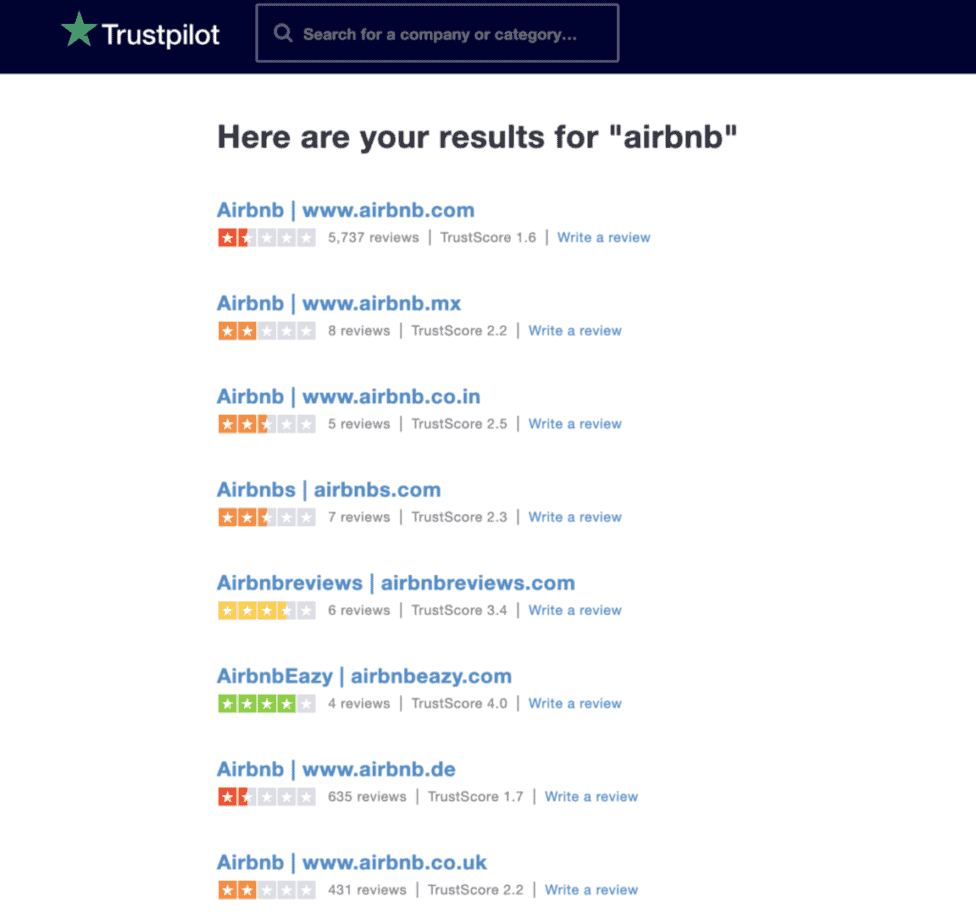
Airbnb on Trustpilot
Bad things do happen to Airbnb guests and Host as Trustpilot shows in 2020

What To Do If You Feel Uncomfortable Hosting a Guest?

There are various ways of approaching this situation, including:

I.  Ignore The Situation

If the violation is minor, you can deal with it appropriately by just ignoring it. That usually involves waiting until the day a guest is required to check out. 

When the situation requires, for recovering a financial loss because of guest damage, Airbnb allows for the filing of a claim. Alternatively, you can file a claim with your insurance company.

II.  Communicate With Your Guest

The second option is to have a candid and honest conversation with the guest of your property. You can use that time to remind the guest, in a friendly manner, of your house rules, and point out how they may have violated some of those rules. 

This is a vital way of dealing with a guest to see if they can continue cooperating or remaining a problem. Your guest may seize the opportunity to apologize for the trouble and even offer to remedy the issue. 

III.  Report Violation

You should report any guest violation to the guys at Airbnb. Your safety as a host is considered a top priority by Airbnb. If a guest is going against the existing house rules or poses a risk to you, you can request for a departure or cancel the reservation when the guest is not cooperative. 

When you contact Airbnb, they will tell you how you can make a guest leave your property peacefully. It is often advised that you try not to be subjected to cancelation penalties

If it is necessary, you can claim any extra fee from the guest through Airbnb to cover for your expenses in the repairing of your property or cleaning your belongings. 

IV.  Police Intervention

If a guest is uncooperative or just want him/her out of your property, at this point, a drastic measure may involve having to dial 911 or calling the police straightaway.

How Has Airbnb Responded To The Issue of Rowdy Guests? 

In 2019, a deadly mass shooting occurred during a Halloween house celebration in one of the Airbnb rentals in California. The shocking occurrence prompted Airbnb to issue even stricter guidelines for the safety of not only hosts but also guests. 

As per now, your guests are supposed to adhere to high standards than before the deadly mass shooting incident. 

The new rules generally cover:

·  Unauthorized guests

·  Excessive noise

·  Unauthorized smoking

·  Unauthorized parking

·  Cleanliness concerns. For instance, guests are required to undertake significant cleaning before leaving your rental property.

Likewise, Airbnb now has an innovative 24/7 Neighbor Hotline, which you can use for reaching a real person to report any breakage of rules by a guest. 

The Potential Ways of Avoiding Difficult Guests

Airbnb cannot force you to continue hosting a guest in your property if you no longer want. Trust me; you do not want to be in a situation where you need to ask a guest to leave. Often, it is not a great experience when you have to deal with issues like confronting drunken guests and dealing with neighbors' complaints and police intervention. 

However, the good news for you is that there are different ways you can take into consideration to minimize or avoid a situation of hosting a rowdy and challenging guest. 

a.  Age Of The Guest

Some hosts prefer young guests, teens in their early 20s because, by virtue of being active, they tend not to use the rented space a lot. They are always out.

Nonetheless, a younger guest may tend to be less respectful of your property and may even be more demanding when accommodated. If your guest has spent most of his or her life staying in guest houses and hotels, expect more demands and complaints about the standard of your accommodation. Frequent complaints from a guest mean a negative host review is in the offing. And when you cannot take petty grievances, you may be forced to part ways with the guest. 

b.  If the Guest Costs You More

You can always expect that you may receive one or two guests who thrive on wastage of resources. The situation, in most cases, applies to the younger generation. For example, you may find your guest taking showers lasting more than 30 minutes or excessively using toilet paper rolls every day.

We understand that it may be hard to figure out the potential guest's behavior and character by just reading written reviews. For that reason, we strongly advise that to avoid potential wastage of provisions like cosmetics, you must concentrate on guaranteeing your house rules are concise and precise. Do not let your house rules be open to interpretation, which in return, may encourage abuse. 

For instance, if the electricity cost in your area is expensive, you may require the guest to use the air conditioning system just when indoors. As well, if your hot water supply is limited, you can control the duration and number of daily showers.

c.  Read Guest Reviews and References

To help you get a feel of the kind of potential guests wanting to use your property, you should go through their reviews and references. If a guest cares about the experience of Airbnb, then he or she will make sure to have, on the profile page, positive references from employers, family, and friends.

When you read the reviews provided by previous hosts of your potential guests, it becomes possible to have a rough idea about their personalities. That is essential for aiding your determination of whether a guest is suitable or not for your rental property. When a guest is suitable, there may be no reason to request for his or her premature departure from your property. 

You should also check the guest's description as written on the profile page and go through the photos. If the guest has not bothered to provide this critical information or the information provided does not make you feel good, you should avoid such a guest. That is a sign of potential trouble.

Reviews: the way to select the best guests only

d.  Look For Warning Signs 

For guests that may lead to you requesting them to leave, usually, there are signs. Some potential signs may involve when a guest asks the potential host meaningless or random questions. For example, the guest may ask if your property has surveillance cameras. This is probably a sign that the guest may prove difficult to handle and hence, should be avoided.

Furthermore, if a potential guest asks you to make an exception, it is recommended that you avoid such a guest.

e.  Learn Polite Refusal

As a host, you should not be too slow to refuse a hosting request by a guest, particularly if you do not get positive vibes from the guest. You can compose short message to the potential with reasons why guest is not appropriate for your rental property. 

Remember also to wish the guest success in finding another host and having an excellent holiday.

In Conclusion

While you generally have great guests for your property, you must also be alive to the fact that you may encounter a difficult Airbnb guest. If you are to request an Airbnb guest to leave, make sure that you do it according to the recommendations of Airbnb. 

In the resolution center, used for requesting that your guest departs your property officially, you will need to provide your reasons for wanting the departure. You must have solid evidence, like photographic evidence of damage, to act as a backup for your reasons. 

Requesting a guest to leave your property in an unfriendly manner can cause you to incur Airbnb penalties, and your rating as a host may also be negatively affected. If you do not know about the recommendations, you can always call Airbnb to furnish you with proper advice. 

You can also provide a review about guest so that it discourages him or her from being difficult to handle. In addition, your host reviews of a guest can also be helpful for other potential hosts to make their decisions about hosting a guest. You can also decide to delete your Airbnb listing Airbnb does not treat you seriously.

Do you want more control over your vacation rental income? Try these tips!